
Tie-dye: The story of textile and tradition
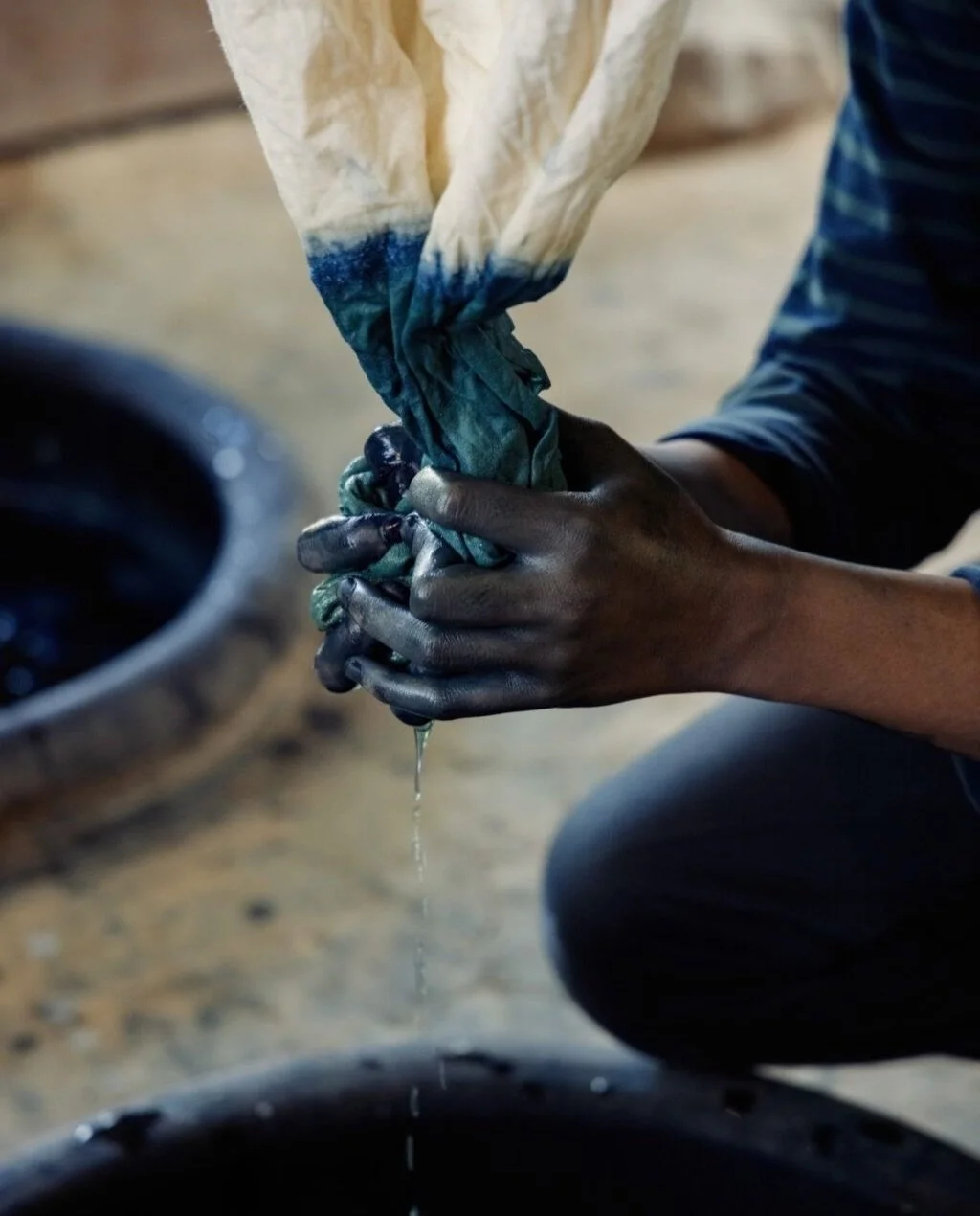
Image: Debonair Afrik - an artisan preparing the fabric for the dyeing process.
Tie-dye is one of the oldest textile techniques in the world. It works through a simple method - binding, folding, stitching or clamping/waxing fabric to block the dye in order to create the patterns.
Across cultures, it appears in many forms - Ghanaian Tie and Dye, Yoruba Adire, Japanese Shibori, Indian Bandhani and Malaysian Batik.
Each method reflects its own culture, identity and tradition.
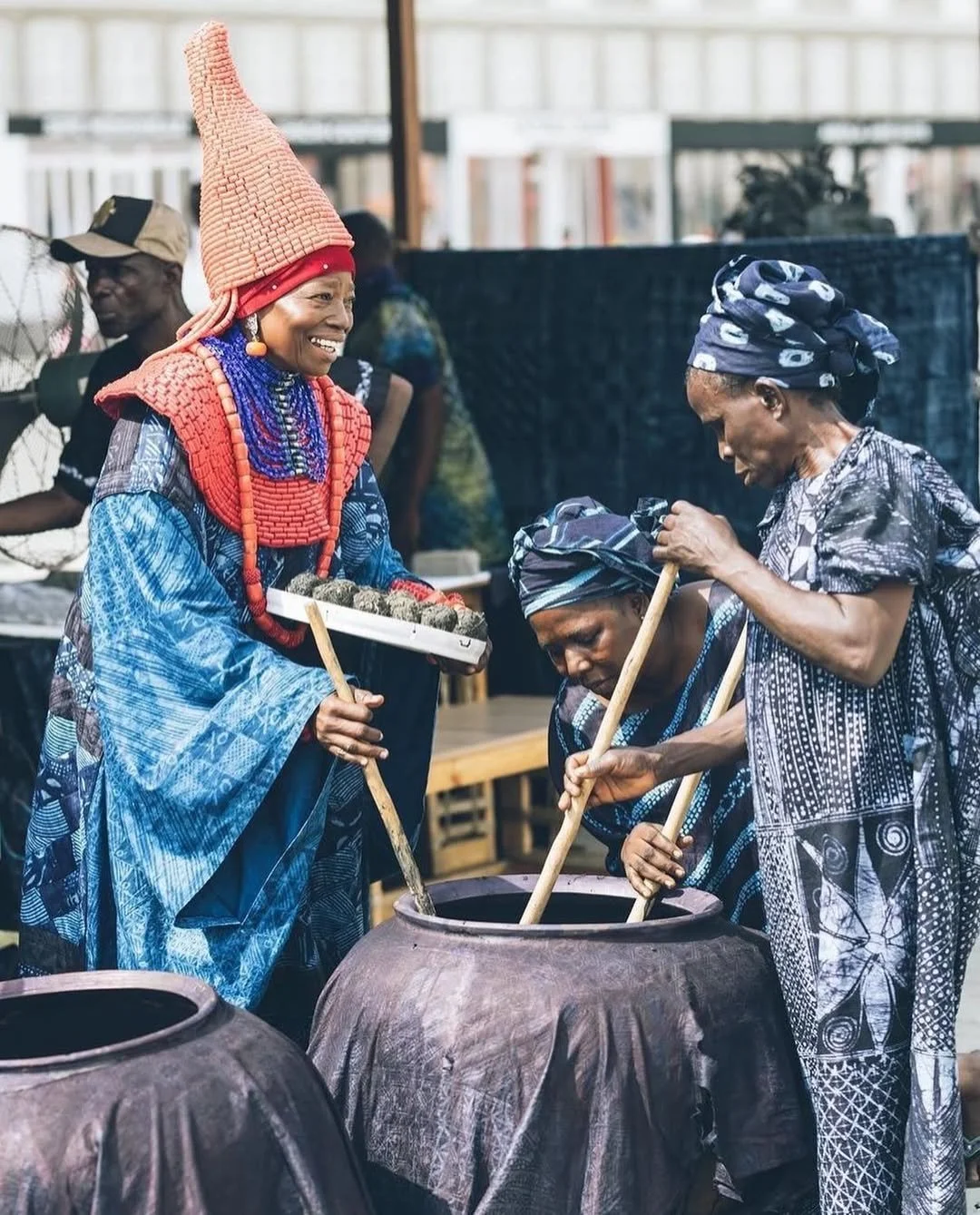
Image: Debonair Afrik - a group of women artisans dressed in traditional Adire (indigo dye) attire while dyeing fabric.
The fabric is folded, tied, stitched or coated with resist paste/wax before being dipped into the dye.
The use of resist paste/wax will block the colour from penetrating these areas, creating patterns once the cloth is opened and washed.
Every outcome is different due the hands on approach and dyeing process.
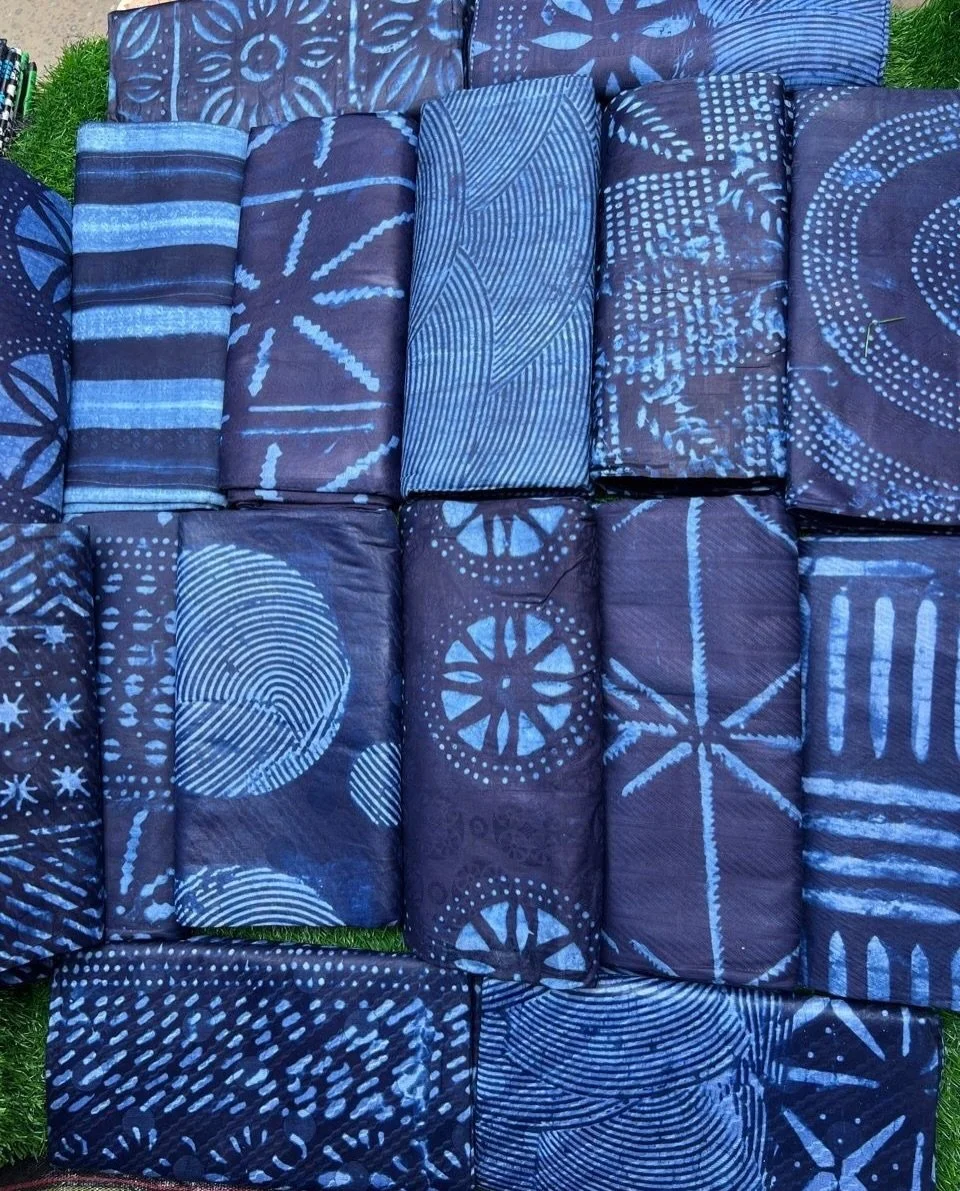
Image: Debonair Afrik - Adire fabric using the Nigerian indigo dyeing technique.
In Nigeria, Yoruba artisans developed Adire using indigo dye, cassava starch, and raffia ties to form deep blue textiles filled with meaning and pattern.
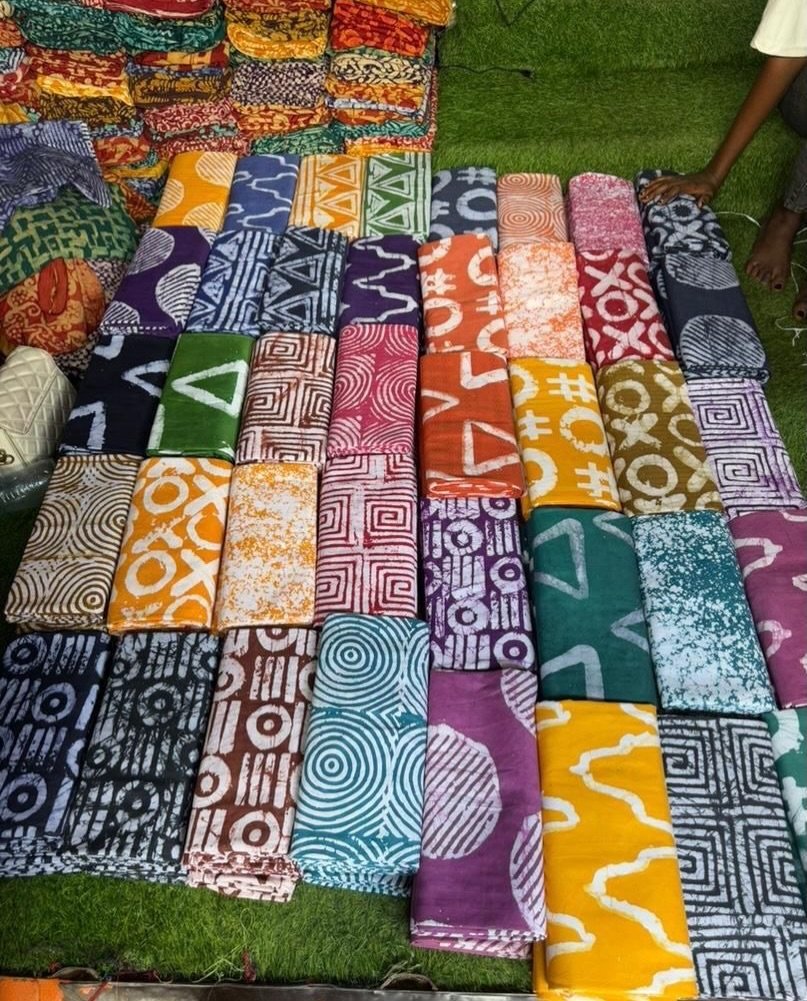
Image: Debonair Afrik - every piece of fabric is different and unique.
In Ghana, tie and dye is known for its bold, bright colour combinations, often paired with batik techniques to create expressive designs.
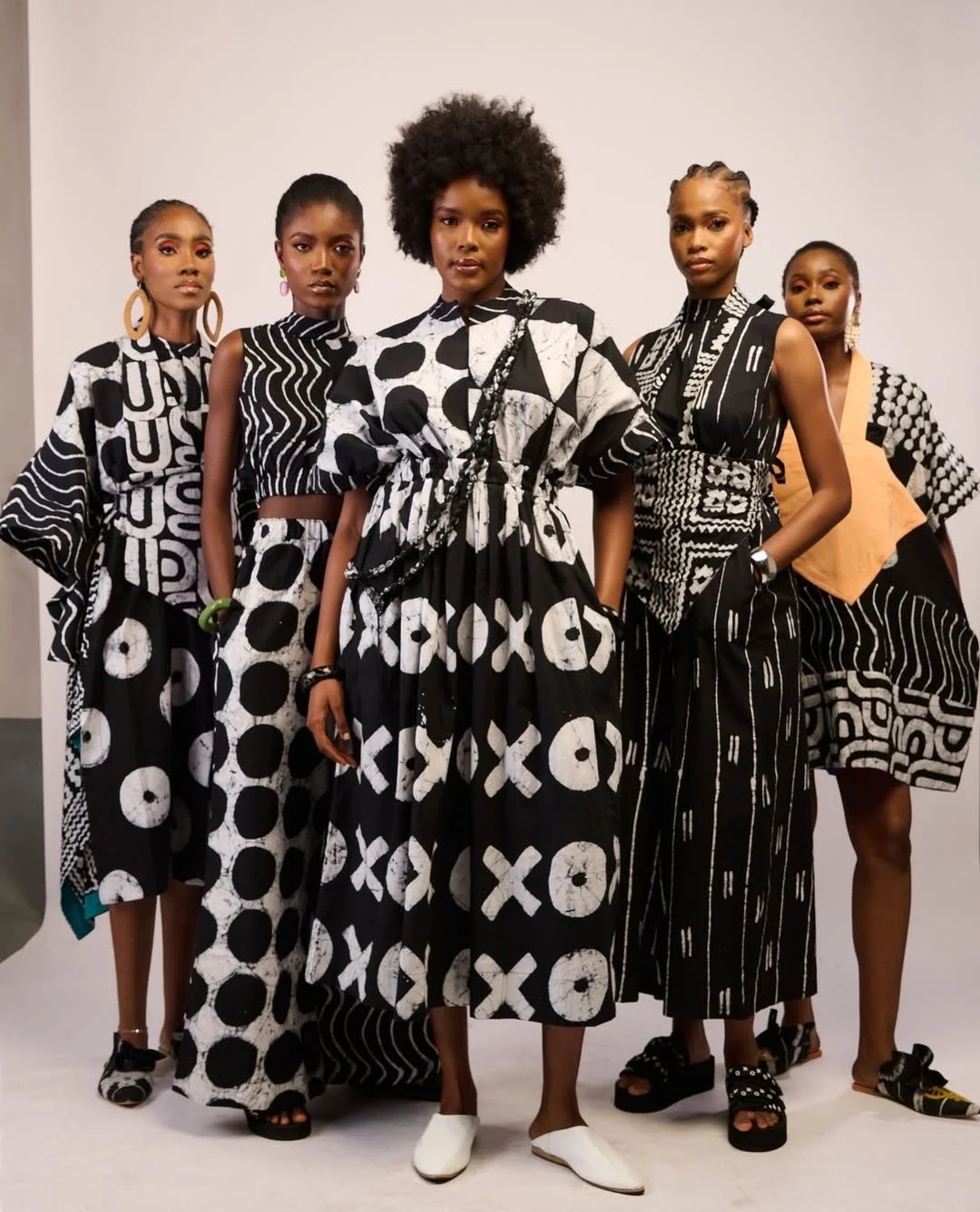
Image: Debonair Afrik - tie-dye outfits in black and white.
Today tie-dye is no longer limited to casual wear.
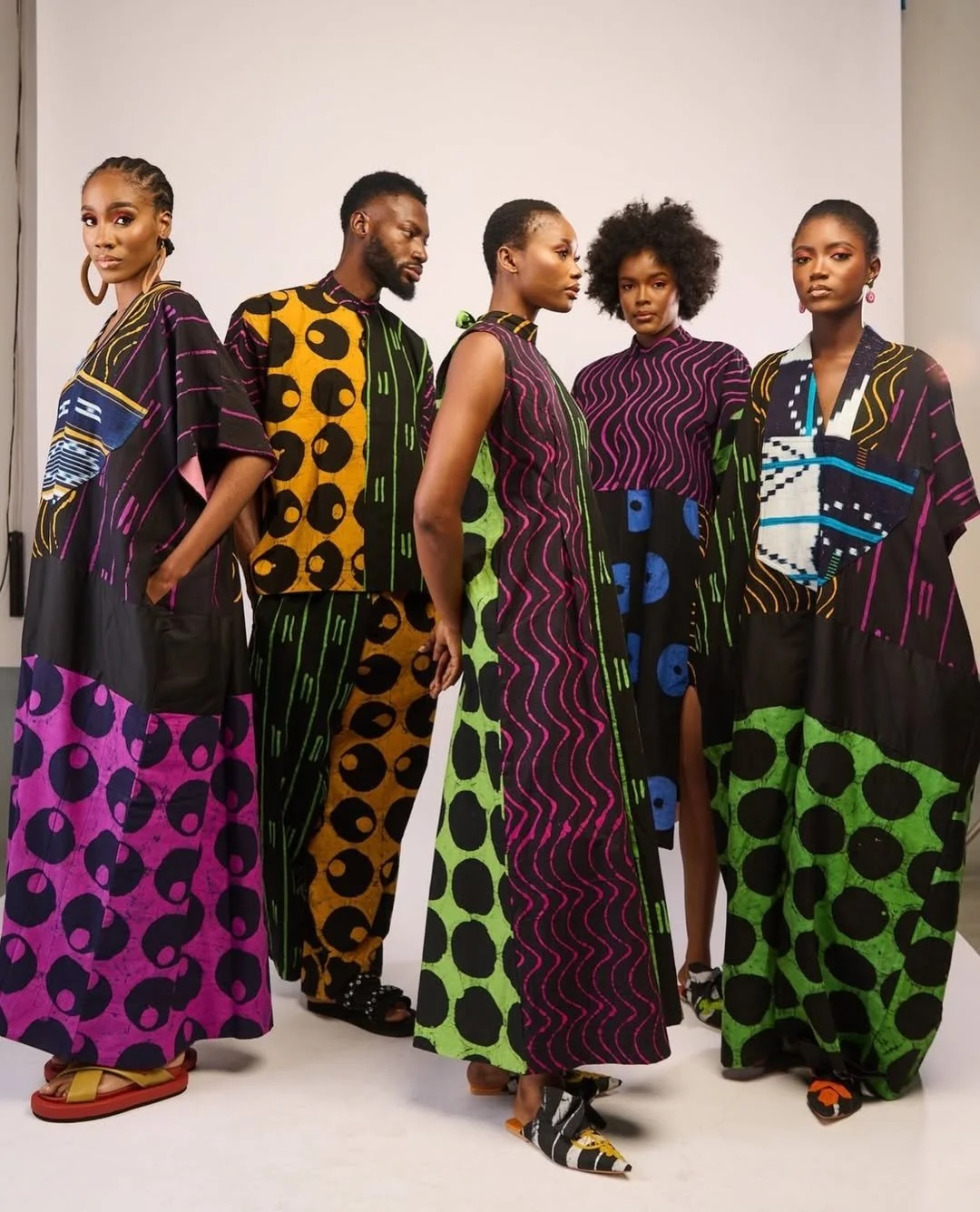
Image: Debonair Afrik - designer outfits using traditional tie-dyeing techniques.
Designers use traditional tie-dyeing techniques on silk, satin and structured garments where the focus is on colour, texture and craftmanship.
Each dyed piece remains unique because no two dye patterns can ever be exactly the same.